Is White Glove Delivery Worth It? A 2026 Buying Guide
Table of Contents
- What White Glove Delivery Actually Includes
- Typical Services in a White-Glove Standard
- White Glove Delivery vs Curbside, Threshold, and Room-of-Choice
- When White Glove Delivery Is Worth the Upgrade
- When You Can Skip It
- How to Measure for Furniture Delivery Before You Order
- Delivery Day: Inspection, Tips, and Claims
- Frequently Asked Questions
Last Updated: September 29, 2026
What White Glove Delivery Actually Includes
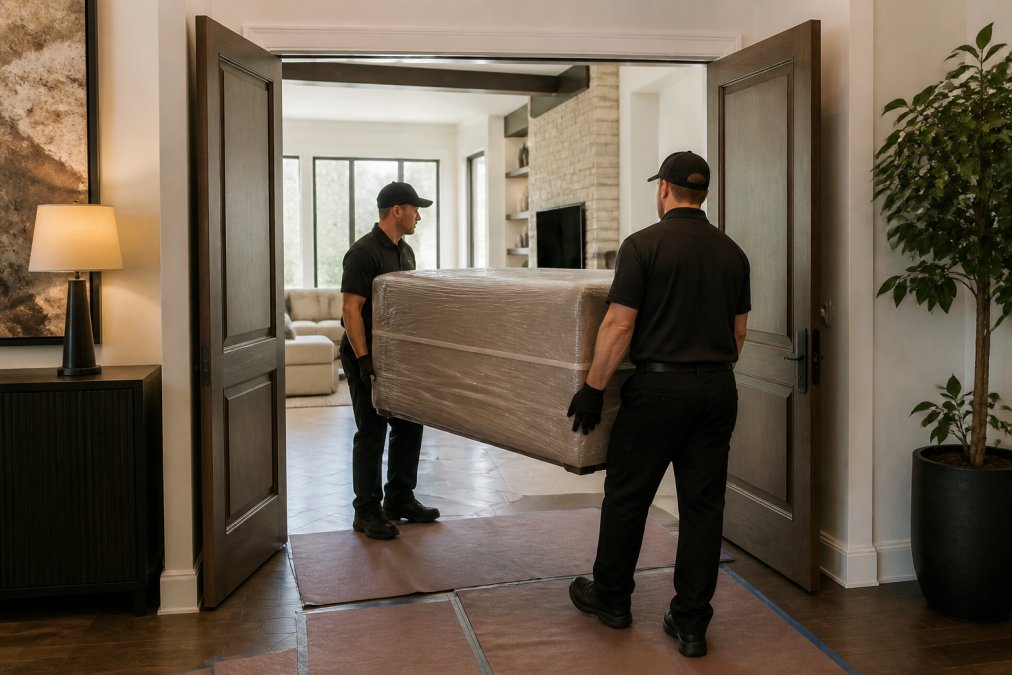
White glove delivery generally refers to an upgraded delivery service that may include bringing an item inside your home, placing it in a designated room, unpacking it, assembling it, and removing packaging. Exactly what is included varies by retailer, manufacturer, carrier, product, and location. For heavy or oversized goods, these services can provide additional help beyond standard curbside or threshold delivery. This guide explains what white glove delivery may include, how delivery levels differ, and what to consider when deciding which service fits your purchase and your home.
Typical Services in a White-Glove Standard
A full white-glove standard generally bundles several distinct services into one appointment. Not every carrier includes all of them, so the details matter more than the label.
Services that may be included:
- In-home placement in your chosen room
- Professional assembly of the item
- Unpacking service and packaging disposal
- Debris removal from your home
- Appointment scheduling with a delivery window
- Damage inspection at the point of delivery
Where the Term Gets Loose
"White glove" has no universal definition. One retailer's version may include full assembly and debris removal; another's may only mean the driver carries the box inside your front door. Always confirm the specific service level agreement for your item before you buy.
White Glove Delivery vs Curbside, Threshold, and Room-of-Choice
Delivery tiers sit on a spectrum from least to most hands-on. Understanding each level helps you match the service to the item and your home.
Delivery Type |
Where the Item Ends Up |
Assembly Included |
Packaging Removed |
|---|---|---|---|
Curbside |
At the curb |
No |
No |
Threshold |
At or near the first designated delivery point |
No |
No |
Room-of-choice |
Your chosen room |
Varies |
Varies |
White glove |
Varies by service |
Varies |
Varies |
When White Glove Delivery Is Worth the Upgrade
Upgraded delivery may be especially useful in a few recognizable situations. One of the clearest is weight: if moving the item would require multiple people or equipment you do not have, professional handling can reduce the amount of lifting and maneuvering you need to manage yourself.
It is also worth considering when:
- The item is oversized or has an awkward shape
- Your entryway, stairway, or hallway is tight
- You have limited help at home
- The piece needs careful placement to avoid wall or floor damage
- Assembly involves precision work you would rather not attempt
When You Can Skip It
Standard delivery can be the sensible choice. If the item is small enough to carry, light enough to move with one helper, and simple to assemble, the premium tier adds little.
Skip the upgrade when:
- The item fits easily through your entryway
- You have help available on delivery day
- Assembly is straightforward and well documented
- The item can be moved and positioned comfortably without specialized equipment
How to Measure for Furniture Delivery Before You Order
Measuring before you order can help prevent a frustrating delivery-day problem: an item that cannot reach its intended room. Measuring the final placement area is only part of the process. The item also has to travel through every doorway, hallway, stairway, or other access point along the delivery path.
Measure the Path, Not Just the Room
Walk the route the item will take from the front door to its final position. At each point, measure the narrowest clearance, not the widest.
Doorways and entries
- Measure the full width and height with the door open, including the door itself if it does not swing fully clear.
- Account for door handles, hinges, and thresholds that reduce usable clearance.
- For double doors, determine whether both doors can be opened for delivery and measure the actual usable opening.
Hallways and corners
- Measure hallway width at its narrowest point.
- Identify any tight turns. A long item may need to be tilted or stood on end to clear a corner.
- Note any protruding fixtures, light fixtures, handrails, or wall sconces that reduce clearance.
Stairways
- Measure width between railings or walls.
- Note ceiling height at the top and bottom of the stairs, where the item may need to be tilted.
- Check for a landing or turn that limits how the item can be angled.
- Account for railings, banisters, and other fixed features that reduce the usable width of the stairway.
Elevators
- Measure door width and interior depth.
- Check the elevator's weight capacity and any building restrictions on furniture moves.
- Confirm whether a freight elevator is available and whether it requires scheduling.
The final placement area
- Measure the space with room to spare around the item for assembly and adjustment.
- Leave clearance for doors, drawers, or reclining mechanisms to operate fully.
- Confirm the item will not block vents, outlets, or walkways.
Compare Against Product Dimensions
Once you have your path measurements, compare them against the product's listed overall dimensions, not just its footprint. If packaged dimensions are available, review those as well, since the item may arrive in packaging that affects the clearance needed for delivery.
When to Ask for Help
For oversized or heavy pieces, contact the retailer before ordering if you're unsure whether the delivery path provides enough clearance. Providing measurements—and photos of particularly tight doorways, stairs, or turns when helpful—can make it easier to identify potential access concerns before delivery day.
Delivery Day: Inspection, Tips, and Claims
A little preparation can help delivery day go more smoothly. Clear the delivery path, know where you want the item placed, and plan to be available during the scheduled delivery window.
Before the Crew Arrives
- Clear the delivery path and remove or secure obstacles, rugs, décor, or other items that could interfere with the delivery
- Confirm the appointment window in advance
- Have your order number and product documentation accessible
- Decide in advance where the item should be placed
- Move pets and small children to a quiet area
At the Door: Inspection and Signing
Inspect the item while the delivery team is still present. Check accessible areas for visible scratches, dents, cracks, or other damage. If you notice an issue, photograph it and ask that it be noted on any delivery documentation provided.
If Something Goes Wrong: A Claims Process
If you notice damage or another issue with the delivery, these steps can help you document the situation and determine what to do next:
- Document the issue. Photograph any visible damage from multiple angles, including close-ups and wider views.
- Note visible damage when possible. If delivery paperwork is provided, ask that visible damage be documented before the crew leaves.
- Contact the retailer promptly. Follow the reporting instructions and timeframe provided for your specific order.
- Keep the item and packaging as received. Until you receive further instructions, avoid discarding packaging or making repairs that could affect the claims process.
- Follow the specific claims process. Procedures vary by product, manufacturer, supplier, and carrier, so follow the instructions provided for your order.
Tipping Considerations
There is no universal standard for tipping white glove delivery teams. A few practical guidelines:
- Tipping practices vary. Check the carrier's policy or delivery information if you're unsure whether gratuities are permitted or expected.
- Consider the effort. A straightforward room-of-choice placement is different from a multi-flight stair carry or a complex assembly.
What Happens to the Packaging?
If your delivery service includes unpacking or packaging removal, confirm what happens to the materials afterward. Large furniture shipments may include cardboard, foam, plastic wrap, or other protective materials, and disposal practices vary by carrier and location.
A few practical things to consider:
- Ask what is included. Confirm whether packaging removal is part of your specific delivery service.
- Ask how materials are handled. If this matters to you, ask the carrier whether removed packaging is recycled, reused, or disposed of.
- If packaging remains with you, follow your local recycling or waste-disposal guidelines for cardboard, foam, plastic, and other materials.
Frequently Asked Questions
What are the drawbacks of white glove service?
Potential drawbacks can include added cost, scheduling requirements, and limited availability depending on the product, carrier, and delivery location. White glove service may also require someone to be available during a scheduled delivery window. Before choosing an upgraded delivery service, confirm exactly what is included and whether the additional services are useful for your particular item and home.
Do you tip for white glove delivery, and how much is reasonable?
Tipping practices vary by carrier and delivery provider. If you're considering a gratuity, check the carrier's policy or delivery information to see whether tips are permitted or customary. The delivery service itself should not be confused with gratuity—any applicable delivery or white-glove service charges should be reviewed separately as part of your order.
How does white glove delivery differ from room-of-choice or threshold delivery?
Threshold delivery generally leaves the item at the first designated covered or secure area, while room-of-choice delivery brings the item to a specified room. White glove delivery may include additional services such as unpacking, assembly, placement, or packaging removal. Exact definitions and services vary by product, retailer, carrier, and location, so confirm the specific delivery terms before ordering.
What should I measure before scheduling a large furniture delivery?
Measure the entire path the item will travel, including exterior and interior doorways, hallway widths, stairway turns, elevators if applicable, and the final placement area. Pay particular attention to the narrowest points and any tight corners where a large item may need additional maneuvering space. Compare those measurements with the product's listed overall dimensions. If packaged dimensions are available, review those as well. If any clearance is close or you're unsure whether the item can reach its intended location, contact the retailer before ordering.
Large furniture deliveries are easier to plan when you understand the delivery options and measure the full path into your home before ordering. The right service level depends on the product, your space, and how much assistance you may need on delivery day. Before purchasing, review the delivery information for the specific item you're considering and contact Lounge Apex if you have questions about the available delivery options. Thoughtful planning before the order can help make the process smoother from purchase to placement.